

- Irritable Male Syndrome (IMS) can cause mood swings, irritability, fatigue, and changes in motivation, energy, and libido.
- IMS symptoms are often multifactorial, influenced by hormones, lifestyle, sleep, stress, and emotional health.
- Low testosterone or hormonal shifts can contribute to IMS, but symptoms rarely stem from a single cause.
Curious about why men sometimes feel irritable, fatigued, or emotionally low? Many men and their partners notice periods of mood swings, low motivation, or reduced libido.
Some describe this pattern as Irritable Male Syndrome (IMS). While IMS is not a formal medical diagnosis, it captures a cluster of symptoms that often coincide with hormonal changes, lifestyle factors, and emotional health in men.
Male Excel's Chief Medical Officer,Dr. Peter Fotinos, has spent years helping men understand the relationship between hormones and well-being. He leads evidence-based, symptom-driven testosterone therapy programs, emphasizing a proactive and personalized approach to men's health.
This article explores IMS, what may contribute to its symptoms, and what men can do to support both hormonal and emotional wellness.
What Is Irritable Male Syndrome?
Irritable Male Syndrome refers to a constellation of emotional and physical changes some men experience, often including:
- Irritability or mood swings
- Low energy or fatigue
- Reduced motivation or interest in work or hobbies
- Changes in libido
- Difficulty focusing or managing stress
- Heightened emotional sensitivity
IMS is thought to result from a combination of factors rather than a single cause. Hormonal fluctuations, particularly in testosterone, often coincide with these symptoms, but lifestyle, sleep, and stress also play significant roles.
While IMS has been discussed in medical literature and popular health media, it is considered a descriptive term rather than a formal diagnosis. Recognizing patterns in mood, energy, and sexual health can help men address the underlying contributors and support overall well-being.
How Hormones Influence IMS
Testosterone plays a central role in men's physical, emotional, and sexual health. Men with lower testosterone may experience:
- Changes in mood or irritability
- Lower motivation and energy
- Reduced libido or sexual desire
- Difficulty maintaining muscle mass or physical vitality
Testosterone does not act in isolation. Cortisol, thyroid hormones, and other endocrine factors interact with testosterone to influence mood, energy, and cognitive function. For example, elevated cortisol from chronic stress can suppress testosterone production, leading to a cascade of symptoms, including fatigue, irritability, and difficulty focusing.
Men experiencing symptoms often benefit from a comprehensive evaluation of hormone levels alongside lifestyle and wellness factors.
Key Factors That Can Contribute to IMS Symptoms
While hormonal fluctuations are an important factor, research indicates that multiple aspects of health and lifestyle influence IMS-like symptoms.
1. Aging and Hormonal Shifts
Testosterone naturally declines with age, beginning in the late 30s to early 40s and continuing gradually throughout life. Even modest reductions can impact energy, mood, and sexual function. IMS often emerges during this period of midlife transition, although younger men can experience similar symptoms if other factors affect hormone levels.
The interplay of age-related testosterone decline and lifestyle habits often determines the severity of IMS symptoms. Men who maintain healthy sleep, balanced nutrition, and consistent physical activity may experience less pronounced effects compared to those with poor lifestyle habits.
2. Stress and Emotional Health
Chronic stress increases cortisol, which can interfere with testosterone regulation and exacerbate irritability, fatigue, and difficulty concentrating. Emotional strain from work, family, or life changes may amplify symptoms commonly associated with IMS. Stress management strategies like mindfulness, therapy, or exercise programs can help mitigate these effects.
3. Sleep Quality
Sleep is critical for hormone regulation. Testosterone production primarily occurs during deep sleep, making consistent, high-quality rest essential.
Poor sleep can amplify IMS symptoms, including low energy, irritability, and reduced sexual desire. Prioritizing seven to nine hours of restorative sleep each night can help stabilize hormone levels and improve overall emotional and physical health.
Sleep and stress hormones are tightly linked. When sleep is short or fragmented, cortisol can stay elevated into the morning or spike at night, which makes it harder to fall asleep and stay in deep sleep. Over time, this disrupted rhythm can also contribute to hormonal shifts, including lower testosterone, which can further affect sleep quality and daily energy.
4. Nutrition and Lifestyle
A balanced diet rich in micronutrients, protein, and healthy fats supports metabolic and hormonal function. Poor nutrition can exacerbate fatigue, irritability, and decreased motivation. Maintaining a healthy body weight, avoiding excessive alcohol, and reducing processed foods can positively influence hormone balance and mood.
5. Other Health Conditions
Symptoms resembling IMS can overlap with other health issues such as low thyroid function, depression, or chronic fatigue. Evaluating these conditions with a qualified clinician ensures that any treatment plan addresses root causes rather than just symptoms. Proper screening allows for a holistic approach that considers both physical and mental health.
How To Recognize IMS Symptoms in Your Life
Awareness is the first step toward addressing IMS. Common warning signs include:
- Feeling more irritable or impatient than usual
- Decreased motivation at work or in personal life
- Reduced interest in intimacy or sexual activity
- Fatigue or lack of energy despite adequate rest
- Mood swings or emotional sensitivity
- Heightened stress reactivity or frustration
Tracking symptoms over time can help identify patterns. Men who notice multiple signs should consider both hormonal and lifestyle assessments to determine contributing factors. Early recognition allows men to implement supportive strategies before symptoms significantly affect their quality of life.
Strategies To Support Hormonal and Emotional Health
Although IMS is not formally recognized, the symptoms it describes are real for many men. Effective strategies focus on supporting overall hormonal balance and wellness:
Lifestyle Adjustments
- Prioritize quality sleep and consistent sleep schedules
- Manage stress through meditation, exercise, or therapy
- Maintain a balanced diet rich in protein, healthy fats, and micronutrients
- Engage in regular physical activity to support energy and muscle tone
- Reduce alcohol intake and avoid smoking or other habits that disrupt hormone balance
Hormone Evaluation and Personalized Care
Male Excel emphasizes evaluating hormone levels alongside symptoms. Men with low testosterone or other hormonal imbalances may benefit from symptom-driven, personalized therapy guided by medical experts such as Dr. Peter Fotinos. This approach addresses the whole person rather than just lab values.
Emotional and Social Support
Strong social connections, meaningful relationships, and mental health support can improve mood and reduce irritability. Strategies that improve emotional resilience often complement lifestyle and medical interventions.
Understanding the Broader Picture
IMS symptoms do not occur in isolation. Men may simultaneously experience sleep disruptions, stress, nutritional deficiencies, and hormonal fluctuations, which together amplify irritability, low energy, and reduced motivation. Addressing IMS often requires a holistic approach that considers:
- Hormonal evaluation
- Lifestyle modifications
- Emotional health support
- Nutritional adjustments
- Physical activity programs
By targeting multiple areas, men can improve energy, mood, libido, and overall quality of life more effectively than focusing on a single factor.
Frequently Asked Questions About Irritable Male Syndrome
What is the difference between IMS and male menopause?
IMS describes a pattern of mood and energy changes, whereas “male menopause†typically refers to age-related testosterone decline. Both can overlap, and men may experience elements of each. Understanding hormonal and lifestyle contributors helps clarify symptoms and guide treatment.
Can low testosterone alone cause IMS symptoms?
Low testosterone may contribute to fatigue, irritability, and low libido, but symptoms are usually multifactorial. Sleep, stress, nutrition, and emotional health also play crucial roles. A comprehensive evaluation helps identify all contributing factors and supports targeted interventions.
Are there lifestyle changes that can help with IMS?
Yes. Improving sleep, reducing stress, maintaining a balanced diet, and regular exercise support hormonal balance and overall wellness. These adjustments often alleviate many symptoms associated with IMS and complement any clinical interventions.
Is IMS permanent?
Symptoms can fluctuate over time. Addressing lifestyle factors, emotional health, and hormonal imbalances can significantly reduce irritability, fatigue, and other IMS-related symptoms. Regular monitoring and proactive interventions are key.
Should I consider testosterone therapy for IMS?
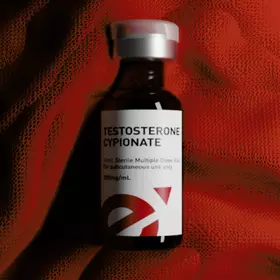
Symptom-driven testosterone therapy can support men experiencing hormonal contributions to IMS-like symptoms. Male Excel tailors therapy to individual needs, considering lab results, lifestyle, and personal goals. Therapy is always overseen by trained medical professionals and is part of a comprehensive wellness plan.
Conclusion
Irritable Male Syndrome captures a recognizable pattern of mood, energy, and libido changes that many men experience. While hormones such as testosterone influence these symptoms, lifestyle, sleep, stress, nutrition, and overall wellness are equally important contributors.
Men experiencing IMS-like symptoms have a range of strategies available to improve well-being, from lifestyle adjustments to personalized hormone support. Understanding the underlying factors allows men to address both the physical and emotional components of their health, restoring energy, motivation, and balance in daily life.
A thoughtful, symptom-driven approach guided by medical experts ensures men receive care tailored to their unique hormonal profile, lifestyle, and wellness goals.
Get TRT Online
Optimize Your Hormones
Sources:
Testosterone Therapy: Potential Benefits And Risks As You Age | Mayo Clinic
Aging & Your Health | Cleveland Clinic
Treating Low Testosterone Levels | Harvard Health
Stress and Hormones | National Library of Medicine
The irritable male syndrome | PubMed