
Key Takeaways
- The thyroid and testosterone are interconnected through metabolic and endocrine pathways that support overall hormone balance.
- Thyroid insufficiency can influence testosterone levels, energy, sex drive, and body composition.
- Medically supervised evaluation, including labs and symptom review, is the best way to understand individual hormone interactions.
Hormones do not exist in isolation. The thyroid and testosterone are two critical hormonal systems in the male body that influence energy, metabolism, mood, sex drive, and body composition.
When either system is disrupted, the effects can ripple through multiple aspects of health. This often leads men to wonder: What exactly is the relationship between the thyroid and testosterone, and how deeply are they connected?
Led by medical experts like Dr. Peter Fotinos , Chief Medical Officer and TRT lead at Male Excel, clinicians take a comprehensive view of hormonal health. Dr. Fotinos emphasizes that evaluating both thyroid and testosterone together, rather than in isolation, often provides deeper insight into persistent symptoms.
How the Thyroid and Testosterone Are Linked
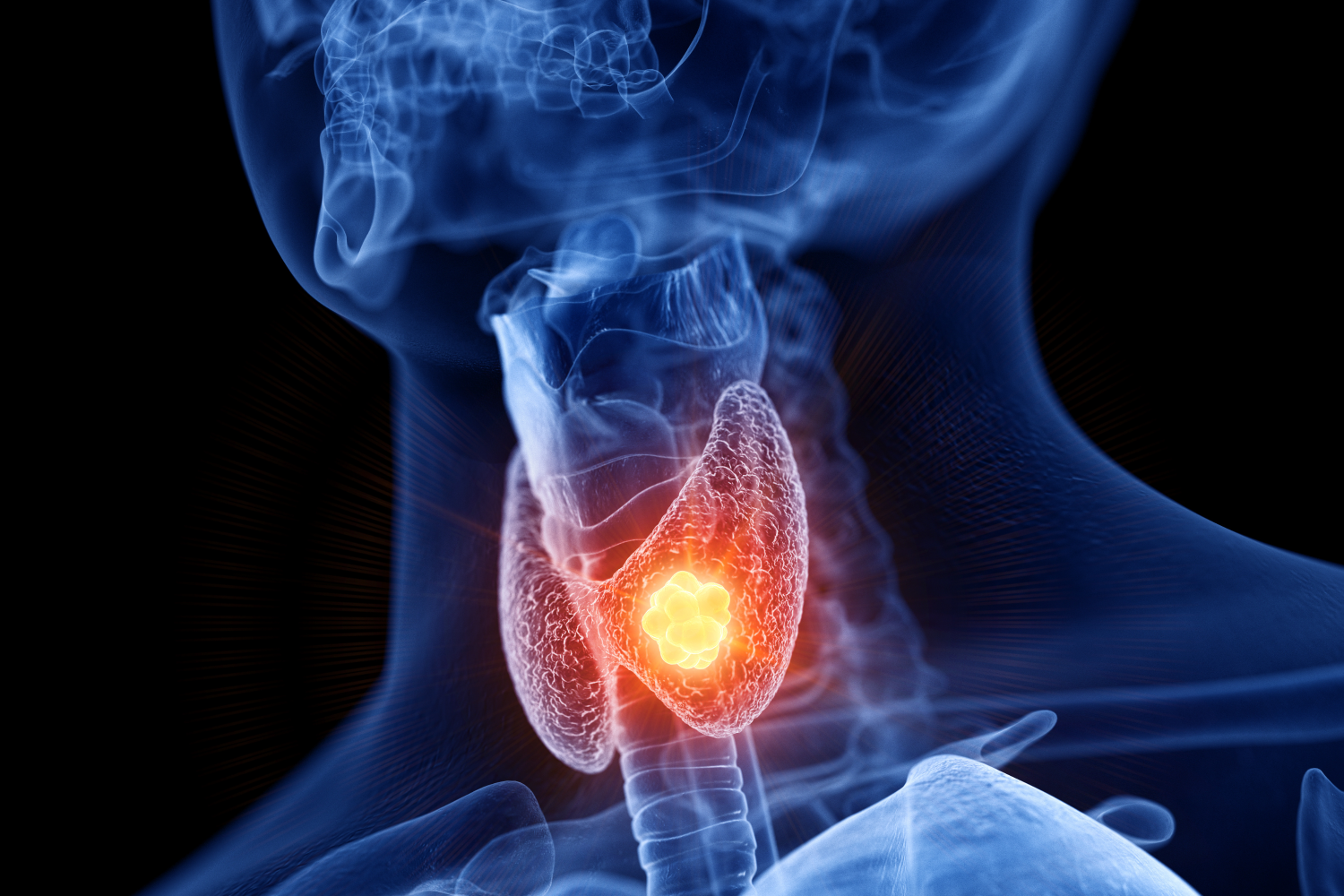
The thyroid gland produces hormones that regulate the body's metabolism , including how it uses energy, processes nutrients, and supports cellular function. Thyroid hormones such as thyroxine (T4) and triiodothyronine (T3) influence nearly every tissue in the body, including the brain, heart, liver, and muscles.
Testosterone, primarily produced in the testes under the direction of luteinizing hormone from the pituitary, supports male sexual characteristics, muscle maintenance, bone density, and mood. Although the thyroid and testosterone systems have distinct roles, they influence each other through several mechanisms.
Thyroid Hormones Influence Gonadal Function
Thyroid hormones help regulate the hypothalamic-pituitary-gonadal axis. When thyroid function is impaired, this axis may not signal optimally, potentially reducing testosterone production. For example, thyroid insufficiency often coincides with lower testosterone levels in men.
Symptoms That Overlap Between Thyroid and Testosterone Imbalance
Symptoms of thyroid insufficiency and low testosterone often overlap, making clinical evaluation essential.
Some common shared symptoms include:
- Fatigue or low energy
- Weight gain or difficulty losing weight
- Low libido or sexual dysfunction
- Mood changes, including irritability or depression
- Changes in body composition
- Reduced exercise tolerance
Because of this overlap, men experiencing symptoms may benefit from testing both thyroid and testosterone levels concurrently. This dual-axis evaluation helps clarify whether symptoms stem from one system, the other, or both.
What Happens With Thyroid Insufficiency?
Thyroid insufficiency occurs when the thyroid does not produce enough hormone. It often leads to a slower metabolism and can contribute to fatigue, weight gain, depression, and cold intolerance. Research shows that men with thyroid insufficiency can also have low testosterone levels , potentially due to impaired signaling in the hormonal axis.
Treating thyroid insufficiency often improves testosterone levels and associated symptoms, suggesting that addressing thyroid dysfunction may support testosterone balance.
The mechanism is thought to involve reduced stimulation of the hypothalamus and pituitary, which in turn affects the production of gonadotropins and testosterone. This may explain why some men with untreated thyroid insufficiency report symptoms similar to low testosterone.
Thyroid Testing and Testosterone
Comprehensive thyroid testing can include several markers:
- TSH (Thyroid Stimulating Hormone): Indicates how hard the pituitary is working to stimulate the thyroid.
- Free T4: The unbound form of thyroxine available to tissues.
- Free T3: The active form of thyroid hormone that affects cellular metabolism.
- Reverse T3: An inactive form that can rise in stress or illness.
- Thyroid antibodies: Screen for autoimmune thyroid conditions like Hashimoto's or Graves' disease.
Testing these markers helps clinicians understand thyroid function in depth. At the same time, testosterone evaluation typically includes total testosterone, free testosterone, SHBG, and estradiol, since estrogen and thyroid hormones interact.
Understanding both thyroid and testosterone labs together gives a fuller picture of hormone health.
Thyroid and Testosterone in Aging Men
As men age, both thyroid function and testosterone production naturally change. Some studies indicate that thyroid hormone levels may shift subtly with age, even within normal ranges. Similarly, testosterone levels tend to decline at a rate of about one to two percent per year after age 30.
These concurrent trends can make it difficult to discern whether symptoms derive from thyroid, testosterone, or a combination of both. For example, fatigue might result from subtle thyroid insufficiency, low testosterone, sleep disruption, chronic stress , or a mix of these factors.
Evaluating both systems together helps provide clarity and direction for treatment.
Lifestyle Factors That Affect Both Thyroid and Testosterone
Several lifestyle factors influence both thyroid and testosterone health:
Sleep Quality
Poor sleep is a well-established disruptor of hormone regulation. Inadequate sleep reduces testosterone production and can interfere with thyroid hormone conversion from T4 to T3.
Nutrition
Key nutrients such as zinc, iodine, selenium, and vitamin D support thyroid function and testosterone synthesis. A nutrient-rich diet helps both systems operate effectively.
Stress and Cortisol
Chronic stress elevates cortisol, which can suppress both thyroid and testosterone signaling. Reducing stress through sleep, movement, and relaxation techniques supports hormone balance.
Body Composition
Higher abdominal fat correlates with lower testosterone levels and can influence thyroid function via inflammatory pathways. Improving body composition through strength training and balanced nutrition supports both hormones.
Medically Supervised Treatment Approaches to Thyroid Issues
Men with confirmed thyroid insufficiency or low testosterone may benefit from medical intervention.
Treatments vary based on diagnosis:
- Thyroid Insufficiency: Often treated with thyroid hormone replacement to restore normal metabolic signaling.
- Low Testosterone: May involve testosterone replacement therapy tailored to symptom severity, lab results, and individual goals.
Importantly, treating one hormone imbalance without considering the other may yield incomplete results. For instance, a man with thyroid insufficiency and low testosterone could feel only partial symptom relief if only one system is addressed.
FAQ
Does thyroid insufficiency cause low testosterone?
Thyroid insufficiency can influence testosterone production indirectly by affecting hormonal signaling and metabolism. Thyroid insufficiency is associated with altered testosterone levels in clinical studies.
Can treating thyroid insufficiency improve testosterone?
Yes. In men with true thyroid insufficiency, restoring thyroid hormone balance often improves testosterone levels and symptoms such as fatigue, mood changes, and sexual health.
Should all men with low testosterone be tested for thyroid issues?
Yes. Because symptoms overlap and both systems influence each other, comprehensive testing is recommended when signs of hormonal imbalance are present.
Can lifestyle changes improve both thyroid and testosterone?
Lifestyle changes such as improved sleep, balanced nutrition, stress management, and exercise support optimal function of both systems.
Is it safe to take testosterone therapy if my thyroid is abnormal?
Thyroid abnormalities should be assessed and managed prior to or alongside testosterone therapy under medical supervision to ensure a safe and effective plan.
Conclusion
The relationship between the thyroid and testosterone is complex and meaningful. These hormonal systems are deeply interconnected through metabolic, endocrine, and nervous system pathways.
When one system falters, the other can be affected. This explains why symptoms like fatigue, weight changes, low libido, mood shifts, and changes in body composition often occur together.
Understanding how the thyroid influences testosterone and vice versa empowers men to seek comprehensive evaluations rather than isolated lab numbers. Symptom tracking, coupled with detailed testing, provides the best foundation for individualized care.
If you suspect hormone imbalance in either system, the first step is careful assessment, thoughtful interpretation of labs, and a plan tailored to your specific health profile.
Sources:
Hormonal Regulation Of Metabolism—Recent Lessons Learned From Insulin And Estrogen | PMC